

This back-to-school season,
let’s do some Mom Math.
Once Upon A Child
Back-To-School Campaign 2026
With 440+ locations across the U.S. and Canada, Once Upon A Child is North America’s largest children’s resale brand—helping real families turn outgrown kids’ stuff into cash and shop the brands they love for less.
But with a footprint that big comes a big creative challenge: build a national campaign that feels culturally relevant and creatively fresh, while still working for hundreds of locally owned stores and the real families who shop them.
Kids aren’t the only ones doing math this back-to-school season.
Kids grow fast. Their wardrobes grow faster. And every back-to-school season, parents are left doing the same mental gymnastics: how do I get everything they need without spending a small fortune?
For Once Upon A Child, that tension presented an opportunity to make the brand’s unique resale model feel not just economical, but culturally relevant.
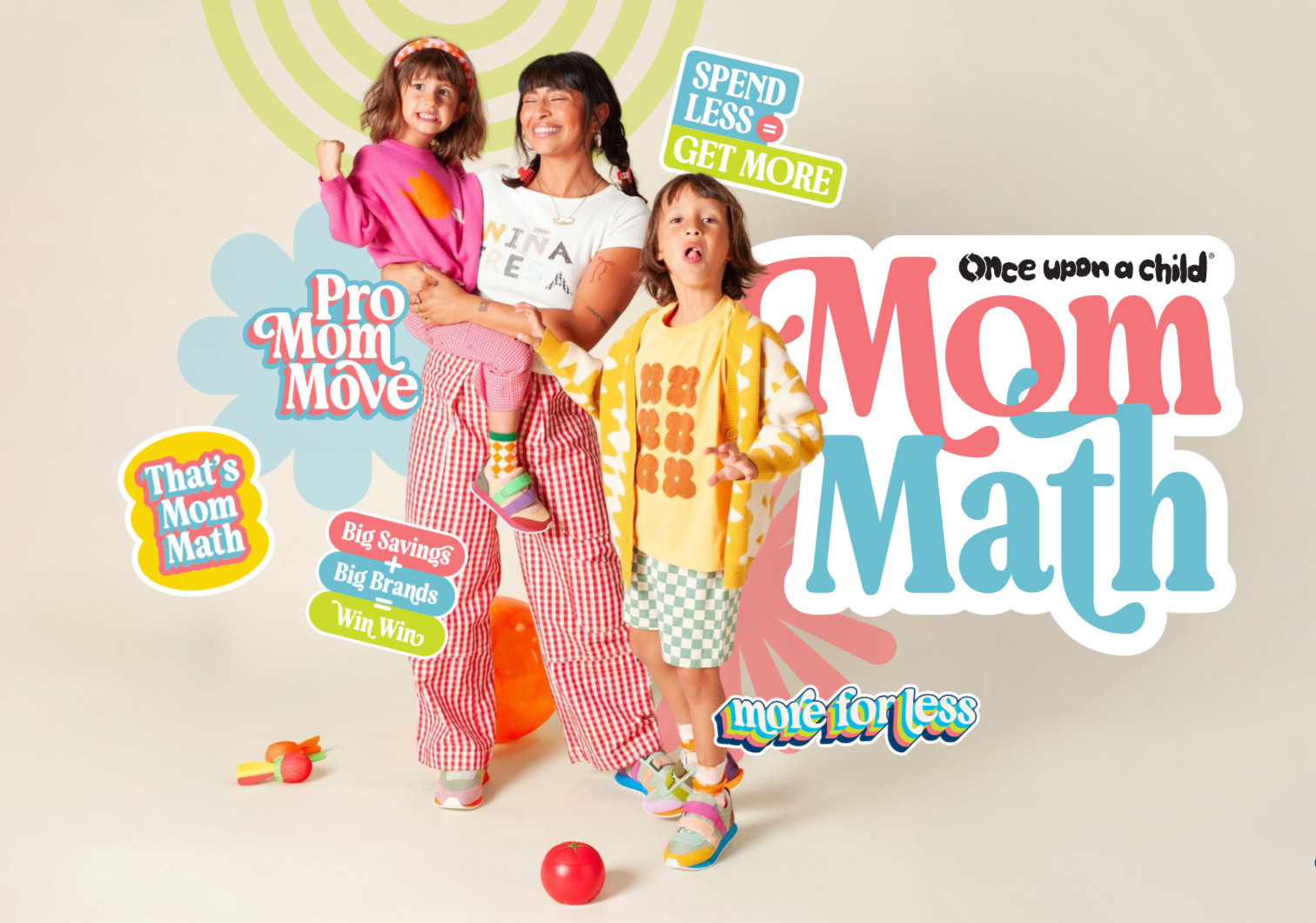
The Insight
Kids brands are rarely talking directly to the household decision maker: mom. Sure, they are hoping their message resonates with them, but rarely acutally talking to them. We thought it was time moms got the awknowledgement they deserve.
Moms are already doing the math. They’re calculating cost per wear. Justifying the name-brand find. Mentally subtracting what they can make selling last year’s outgrown clothes. Figuring out how to turn a finite back-to-school budget into a seemingly infinite list of needs.
Call it mom math. Call it smart shopping. Either way, Once Upon A Child makes the numbers work.
The Idea
A back-to-school platform built around the many reasons Once Upon A Child simply makes sense.
More outfits. Lower prices. Name brands. Trade-in value. Last year’s clothes becoming this year’s budget.
Rather than hanging the campaign on a single savings message, we turned the entire Once Upon A Child value proposition into the creative device. Every execution could add another reason to shop—and every reason brought us back to the same conclusion:
It all adds up.
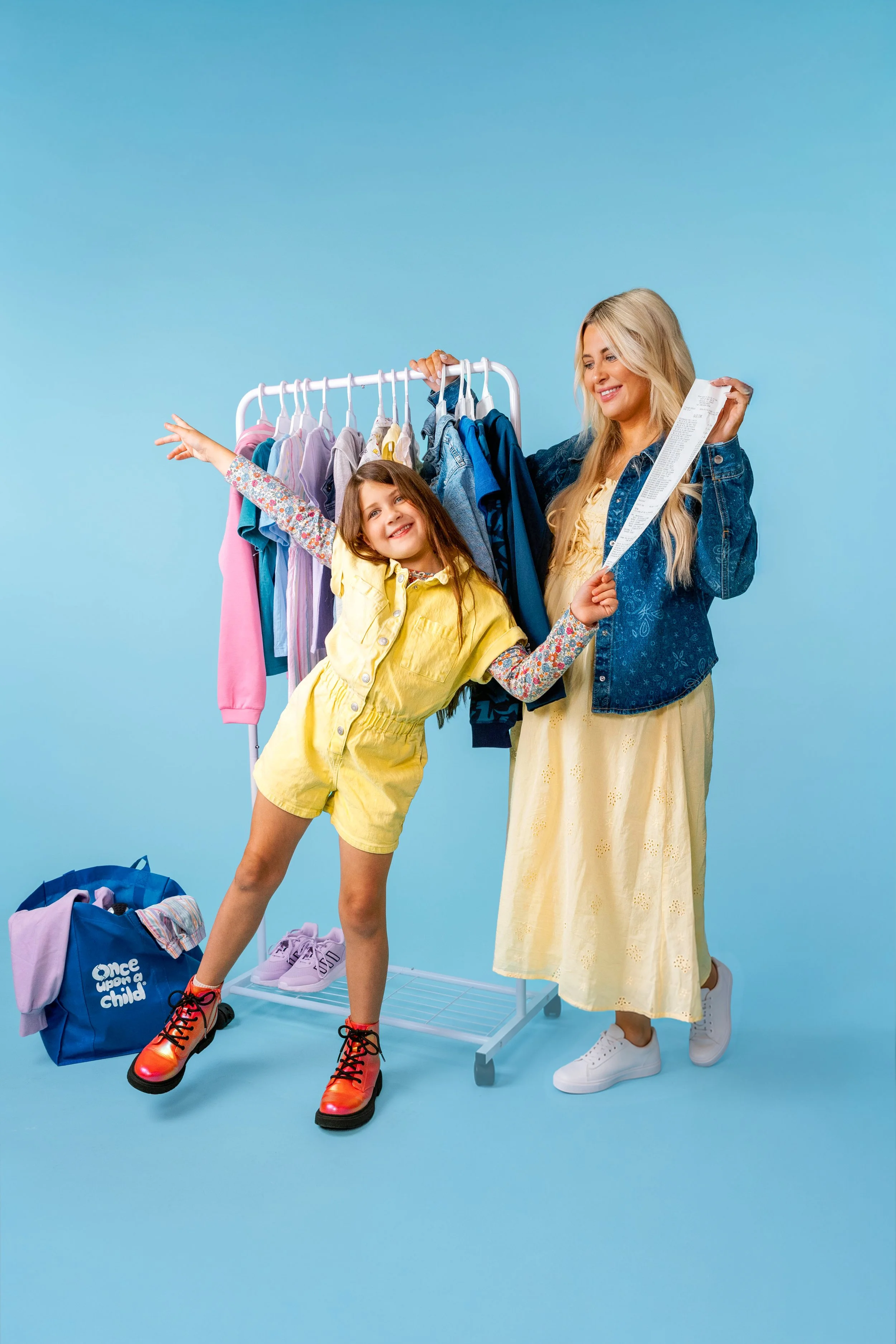
Making It Social
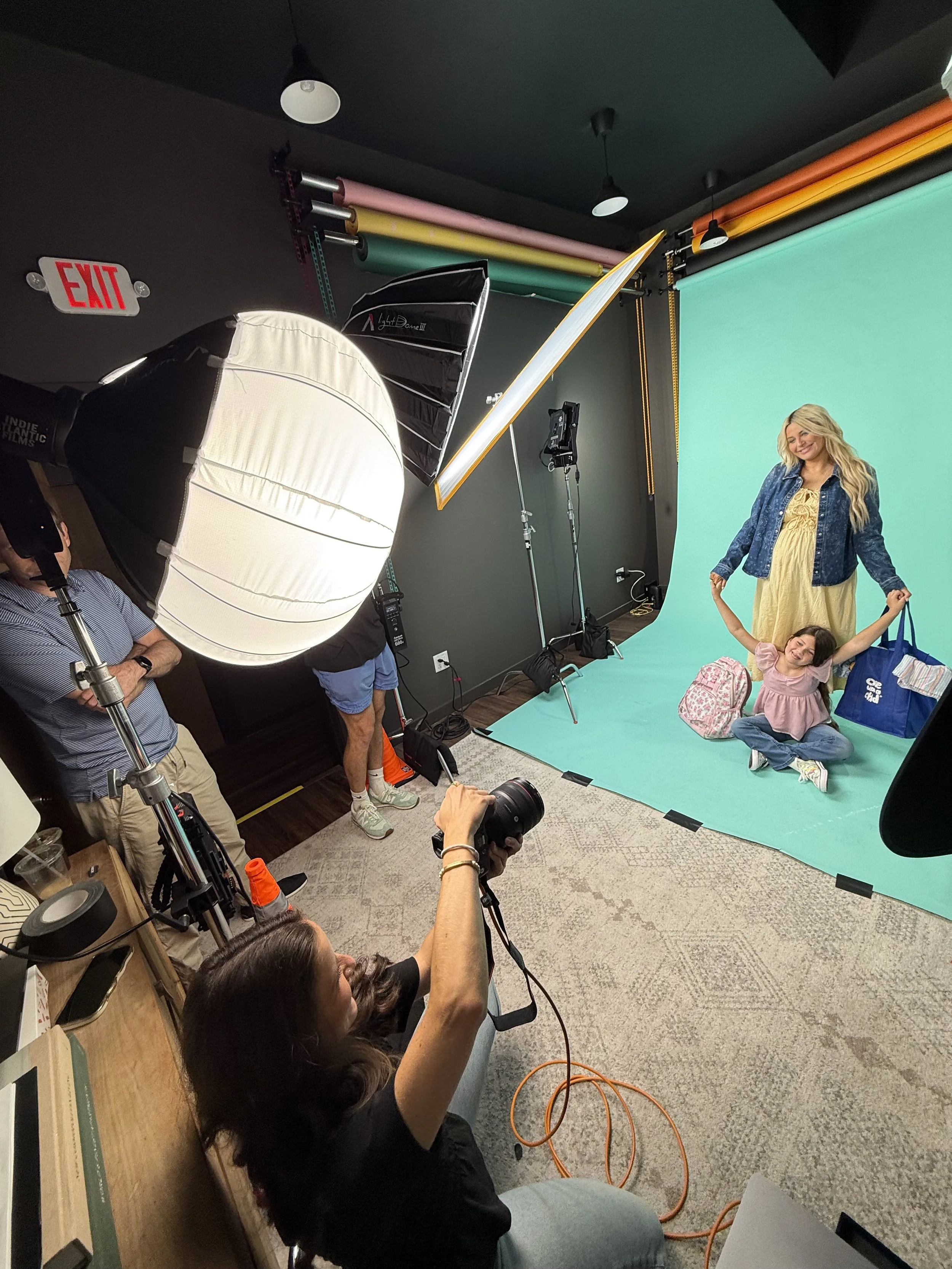
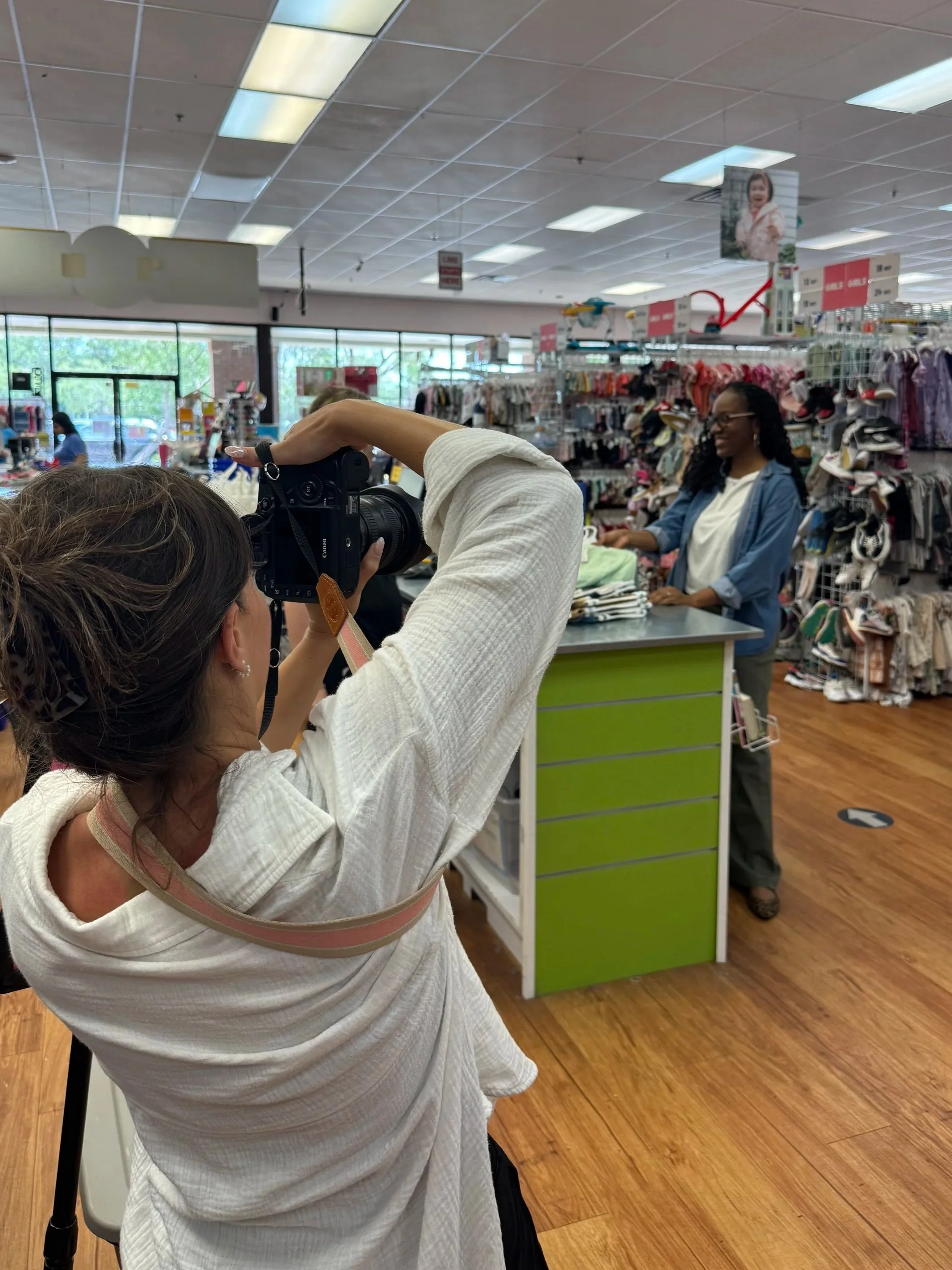
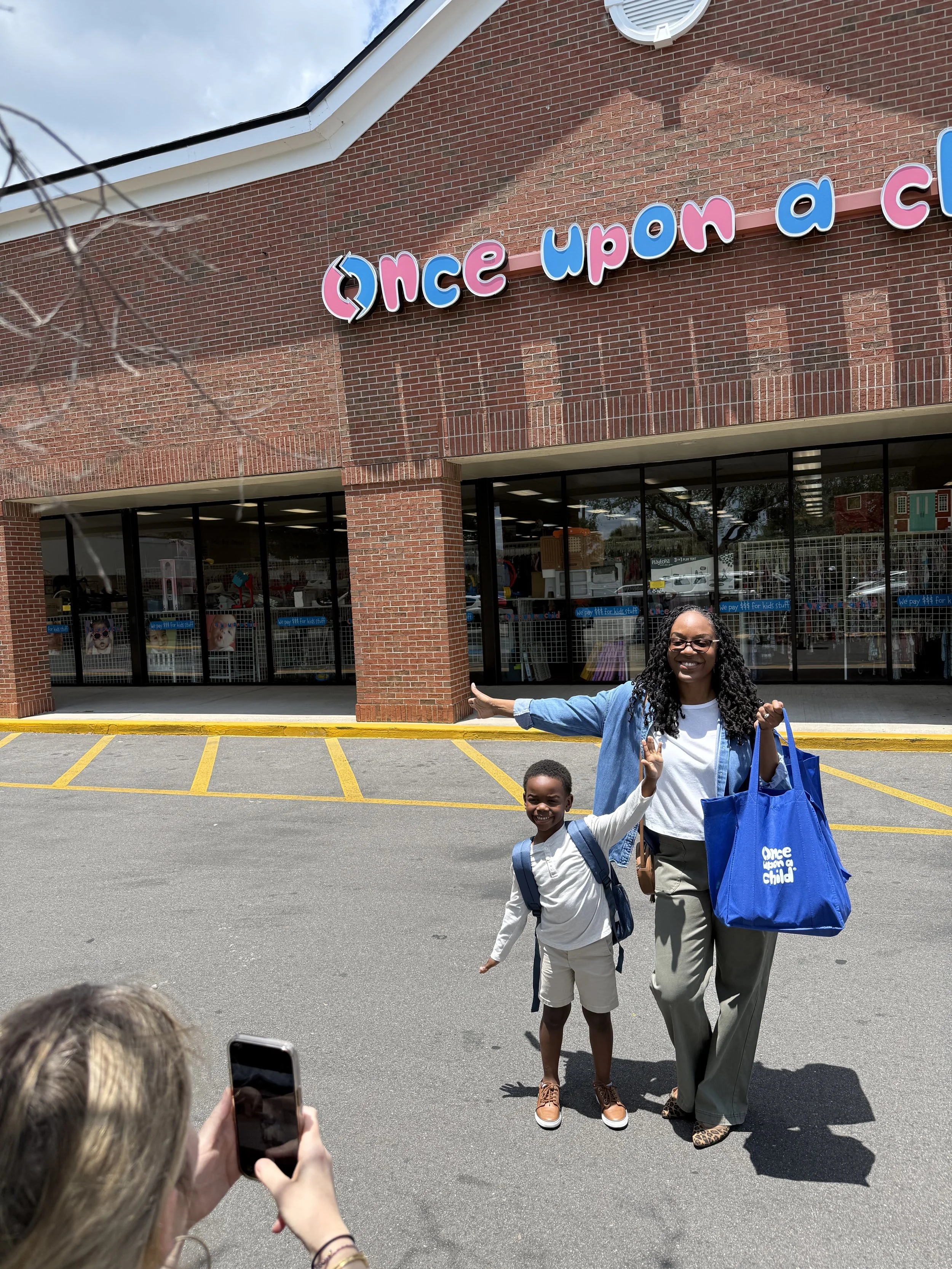
Instead of making influencer content feel like traditional advertising, we built creators directly into the campaign language.
Real moms shopped Once Upon A Child, talked through their finds, showed what they spent and shared the smart-shopping decisions they already make in real life.
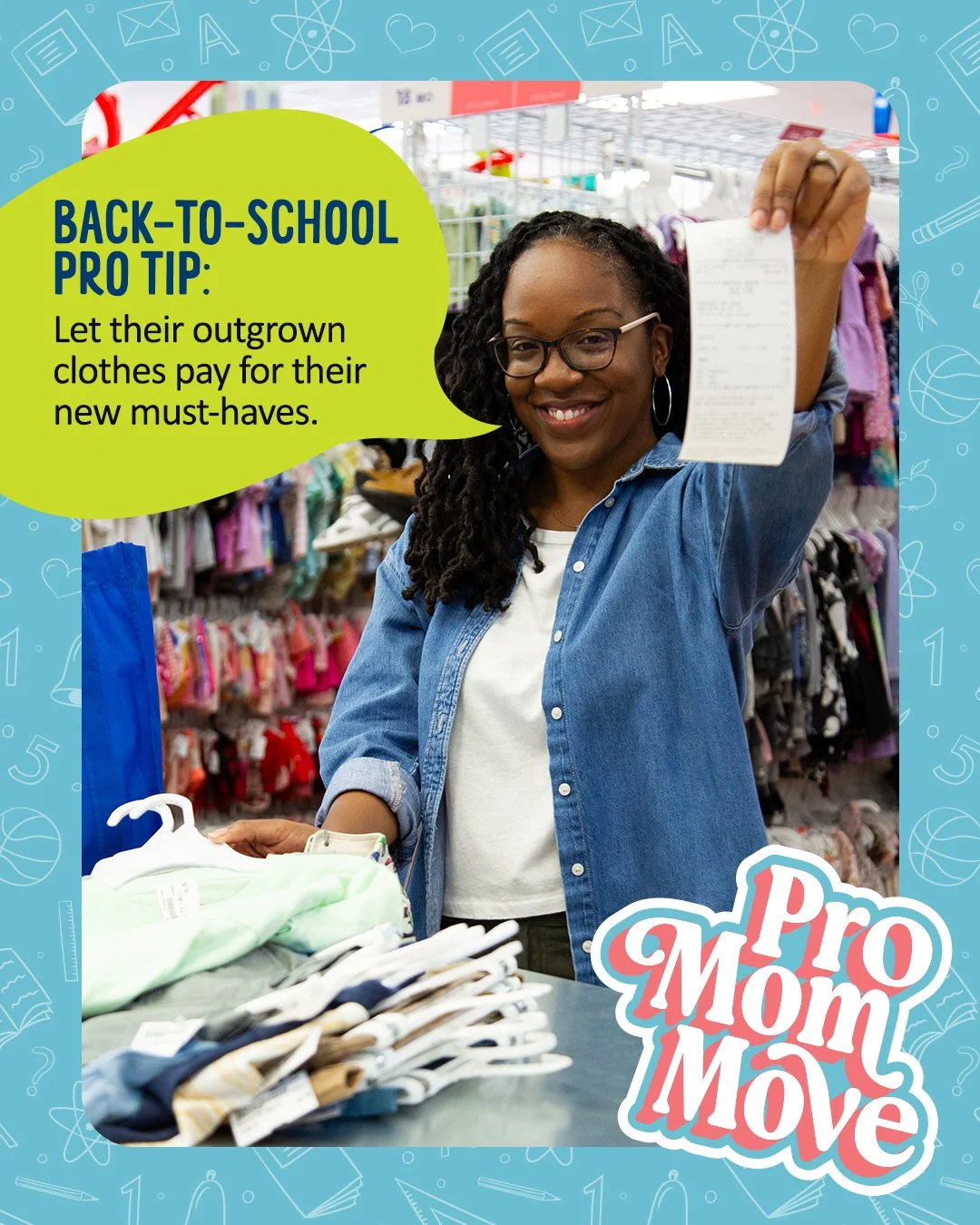
Playful math references, running totals, price tags and recurring “Pro Mom Move” callouts connected creator content back to the larger campaign while still leaving room for each creator’s personality.
The result was content designed to feel less like a brand telling moms how to shop—and more like one mom putting another onto something good.
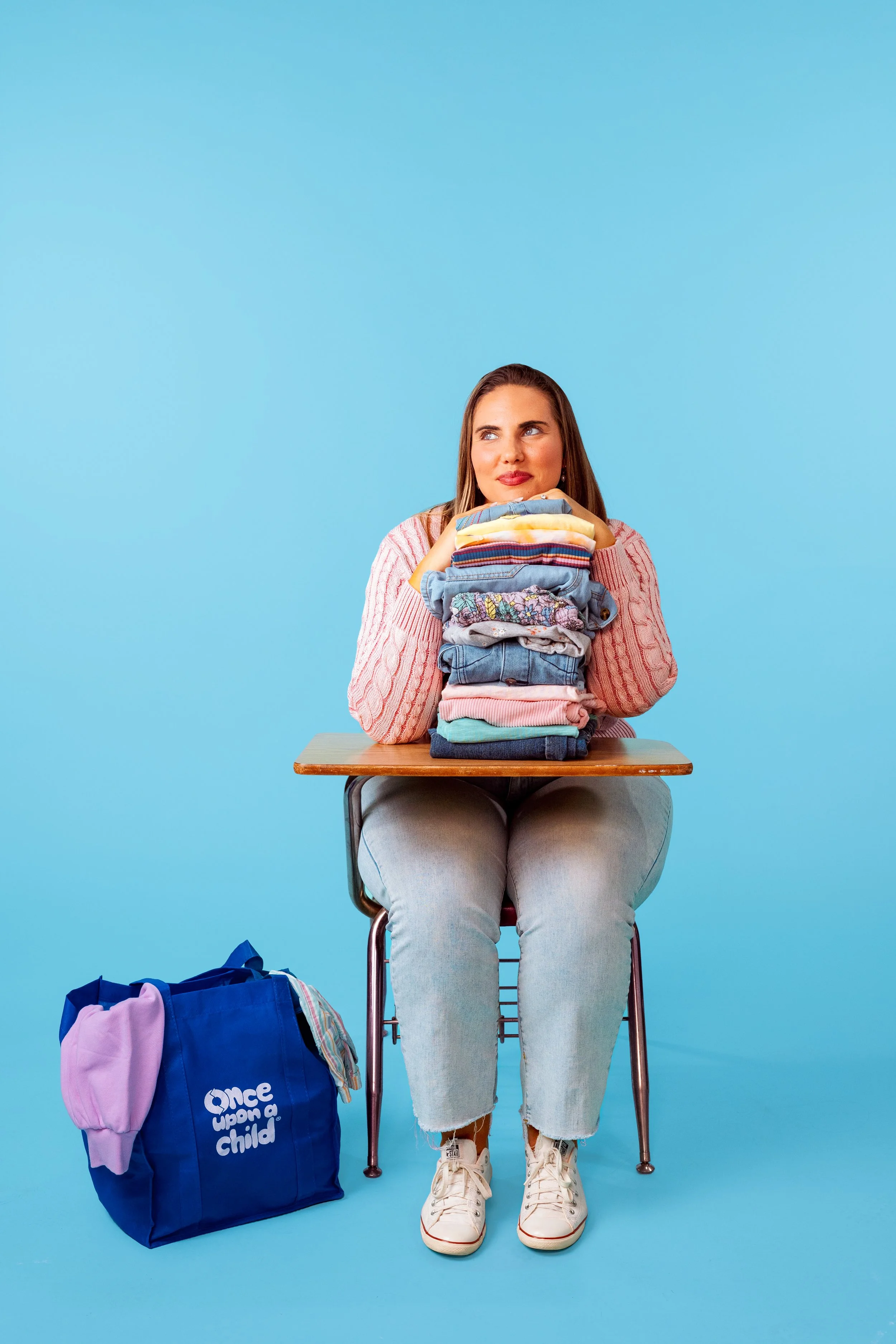
BUILDING FOR THE WAY PEOPLE WATCH NOW
I saw a gap in how agencies were creating for social: brands needed more content, more often and with a lot less polish. So I led the creation of CJ Content Studio, my ad agency’s agile, social-first content offering, and now serve as its Managing Director.
Built for the UGC era, the Studio creates quick-turn, platform-native content that feels at home in the feed while still being strategically grounded and unmistakably on-brand. Think UGC-style video, creator-led concepts, short-form series and agile content designed for both organic and paid social.
But the bigger opportunity was bringing creative and media closer together. Instead of treating creative as something we hand off to media, the Studio creates a feedback loop: audience and platform insights inform what we make, performance tells us what’s working, and those learnings shape what we make next.
I’ve led the initiative from the ground up—from defining the offering and production model to building the team, shaping how we sell it and leading the work for clients.
The result is part content studio, part creative testing ground—and a more modern way to make work at the speed of social.
The Creative System
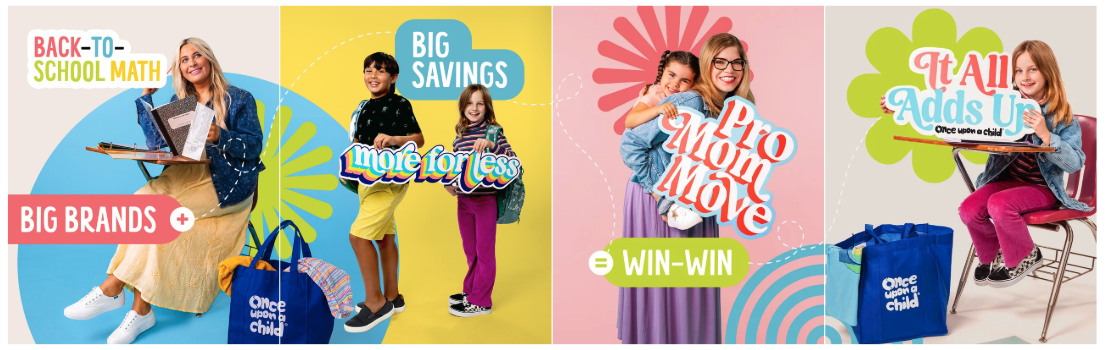
The idea came to life through a flexible visual and verbal language inspired by school, equations and the little calculations parents make every day.
More outfits + less spend = back-to-school, solved.
Last year’s closet + this year’s needs = a pro mom move.
Brand names + smaller price tags = it all adds up.
Across paid social, digital, video and creator content, the system gave us endless ways to talk about value without repeating the same “save money” message.

Why It Worked
The campaign takes a rational benefit and turns it into an emotional reward.
Saving money feels good. But feeling like you’ve figured out a smarter way to do something? Even better.
Once Upon A Child isn't simply the place where back-to-school costs less.
It’s the place where back-to-school makes sense.